

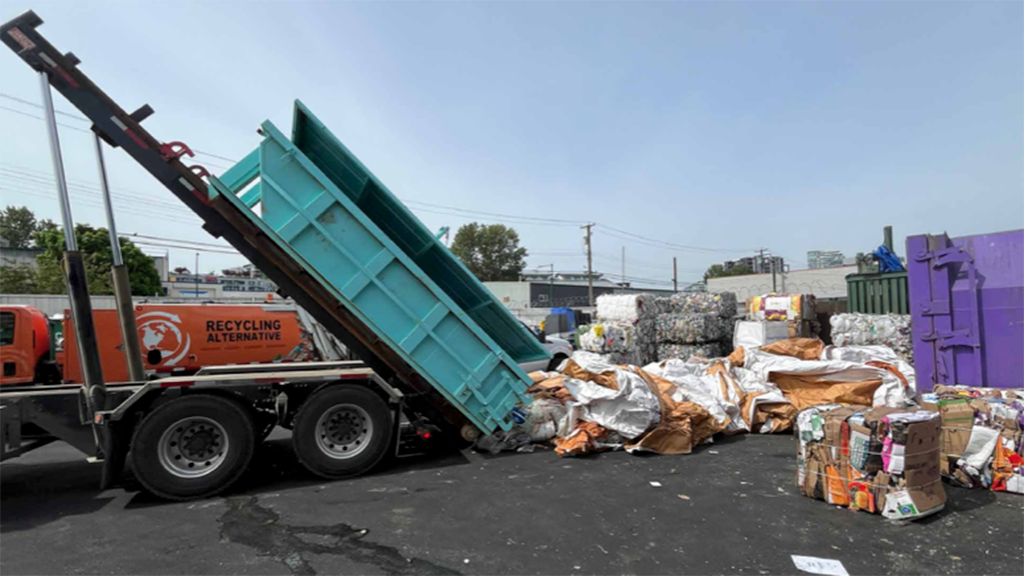
VICTORIA — A new study out of B.C. is illustrating how construction plastics can be recovered and reused.
Over 14 months, Light House conducted a pilot project through its Construction Plastics Initiative (CPI), working with eight active construction sites in Metro Vancouver to test whether a circular value chain for construction plastics is feasible in practice.
The results show the sites diverted more than 38,000 kilograms of plastic, following materials from jobsites through to sorting, processing and manufacturing.
Approximately 77 per cent of materials were identified as recyclable, primarily clean packaging, a release notes.
“The pilot demonstrated that construction plastics can be reintegrated into new building materials, including components for InfinaNet, a system that can reduce concrete use in multi-unit residential construction by up to 30 per cent,” it reads.
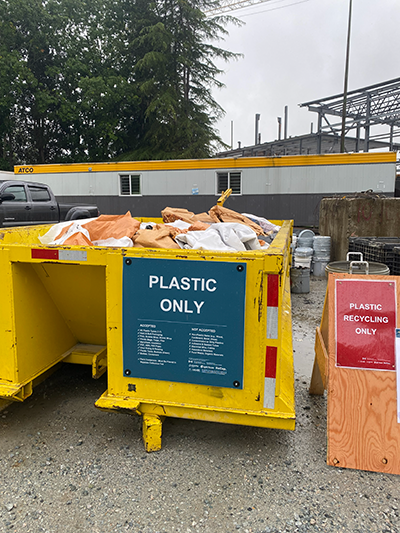
InfinaNet takes a portion of the material and creates a solution used to displace concrete in slab floors in multi-unit residential buildings.
Contractors who took part in the pilot included EllisDon, Aecon and Scott Construction.
According to Light House, Canada introduced 7.1 million tonnes of plastic into the domestic market in 2021, of which construction-related products, excluding packaging, accounted for 22.3 per cent.
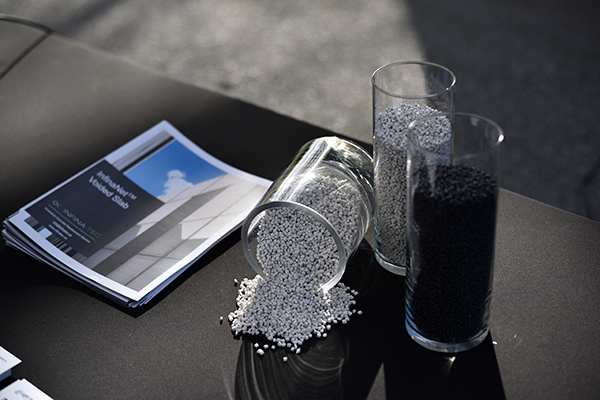
“Plastics generated during construction remain poorly understood and largely undervalued, often buried within commingled waste streams and broader building material categories,” the report notes. “This lack of visibility has made it difficult to determine the scale of the problem, identify the most recoverable materials, or design practical interventions.”
Such is the reason why the pilot was carried out with support from the CleanBC Plastics Action Fund and Environment and Climate Change Canada.
Light House now plans to expand its CPI program nationally, with the goal of adding new projects across multiple cities in early 2027.
Recent Comments
comments for this post are closed